Moral Injury vs PTSD: Key Differences & Paths to Healing
- Karine Langley

- 4 days ago
- 7 min read
Trauma can leave deep, invisible scars that fundamentally alter how we see the world and our place within it. When we experience or witness deeply distressing events, the psychological aftermath is often categorized under a single umbrella. However, mental health professionals are increasingly recognizing a critical distinction between two profound conditions: moral injury vs PTSD (Post-Traumatic Stress Disorder). While they can co-occur and share similar emotional landscapes, they are fundamentally different in their origins, symptoms, and the type of healing they require.
Understanding what is moral injury and how it differs from traditional trauma is the first step toward effective recovery. For veterans, healthcare workers, first responders, and everyday individuals, misdiagnosing moral injury as PTSD can lead to feeling stuck in therapy.
In this comprehensive guide, we will explore the nuances of moral injury vs PTSD, identify the core signs of moral injury, and discuss how specialized trauma therapy at Salus in Domino Psychotherapy can guide you back to a place of inner peace and self-forgiveness.
What is Moral Injury?
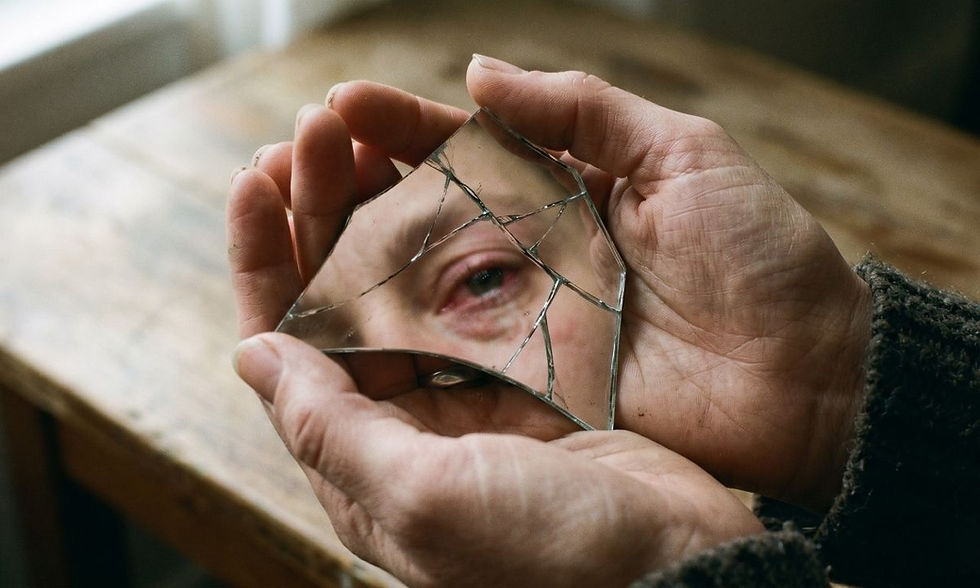
Moral injury is a deep psychological wound that occurs when a person perpetrates, bears witness to, or fails to prevent an act that violently transgresses their deeply held moral beliefs and ethical expectations. It is, at its core, a wound to the conscience or the soul.
Unlike a physical threat to your life, a moral injury threatens your sense of goodness, justice, and humanity. It often arises in high-stakes situations where there are no "good" choices, only varying degrees of harm. When you are forced to make a decision that violates your moral compass, the resulting psychological weight can be debilitating.
Examples of events that can cause moral injury include:
A military service member ordered to engage in actions that harm non-combatants.
A healthcare worker forced to ration life-saving care during a pandemic.
A police officer witnessing systemic corruption and feeling powerless to stop it.
An individual who failed to intervene when someone else was being abused.
The hallmark of this condition is a profound sense of guilt, shame, and betrayal. The individual feels they have permanently lost their moral standing, leading to a deep fracture in their identity.
What is PTSD (Post-Traumatic Stress Disorder)?
To understand the difference, we must clearly define PTSD. Post-Traumatic Stress Disorder is a psychiatric disorder that can occur in people who have experienced or witnessed a life-threatening event, serious injury, or sexual violence.
The core driver of PTSD is fear and a hyperactive survival response. When a trauma occurs, the brain's amygdala (the fear center) becomes overactive, while the prefrontal cortex (the logic center) struggles to regulate it. The nervous system becomes trapped in a perpetual state of "fight, flight, or freeze."
Common PTSD symptoms and diagnosis criteria include:
Intrusive flashbacks and nightmares of the traumatic event.
Hyperarousal, hypervigilance, and an exaggerated startle response.
Avoidance of people, places, or situations that trigger memories.
Negative alterations in mood, including pervasive fear and anxiety.
While PTSD is primarily rooted in a threat to physical safety, it creates profound physiological changes in the body that require targeted psychiatric and psychological intervention.
Moral Injury vs PTSD: Understanding the Key Differences
While both conditions are responses to severe trauma, the internal experience of the individual is vastly different. It is highly possible to suffer from both simultaneously, but treating them requires addressing their distinct mechanisms.
Here is a breakdown of the primary differences between moral injury vs PTSD:
Feature | Post-Traumatic Stress Disorder (PTSD) | Moral Injury |
Core Emotion | Fear, terror, and helplessness | Guilt, shame, anger, and betrayal |
Primary Trigger | Threat to physical life or bodily integrity | Violation of deep moral/ethical beliefs |
Physiological Response | Hyperarousal, hypervigilance, exaggerated startle | Sorrow, weeping, withdrawal, heavy fatigue |
Memory Intrusion | Visual flashbacks, reliving the terror | Ruminating thoughts, obsessive regret |
Impact on Identity | "The world is unsafe." | "I am bad" or "The system is broken/evil." |
Target of Treatment | Processing fear and regulating the nervous system | Achieving self-forgiveness, making amends |
The Role of Fear vs. Guilt
The most significant dividing line is the driving emotion. In PTSD, the brain is terrified that the trauma will happen again. The individual is on high alert, scanning the environment for threats. In moral injury, the physical threat has passed, but the individual is tormented by what they did or didn't do. The danger is no longer external; the perceived "danger" is the self.
How Belief Systems are Impacted
Trauma shatters our worldview. PTSD often destroys the belief that the world is a safe place. Moral injury, on the other hand, destroys the belief that people (including oneself) are inherently good. This can lead to a severe loss of spirituality, a crisis of faith, and an inability to trust any authority figures.
Common Signs of Moral Injury
Recognizing the signs of moral injury is crucial, as they can easily be mistaken for treatment-resistant depression or generalized anxiety. Because the wound is moral, the symptoms manifest in deeply relational and spiritual ways.
Emotional and Psychological Symptoms
Individuals suffering from a wounded conscience often experience overwhelming negative emotions that do not respond well to standard anxiety medications.
Pervasive Shame: A deep-seated belief that they are unforgivable or fundamentally flawed.
Intense Guilt: Obsessive rumination over the event and what they "should have" done.
Sorrow and Grief: Mourning the loss of their own innocence or the lives affected by their actions.
Anger and Betrayal: Outward rage directed at leadership, government, or institutions that put them in the impossible moral situation.
Behavioral Indicators
When someone is carrying the weight of moral failure, their behavior changes to protect themselves from further pain or judgment.
Self-Sabotaging Behavior: Ruining relationships or careers because they feel they do not deserve success or love.
Social Alienation: Pulling away from friends, family, and faith communities due to a feeling of being "unclean" or misunderstood.
Substance Abuse: Using alcohol or drugs to numb the constant internal dialogue of self-condemnation.
Loss of Spirituality: Abandoning religious or spiritual practices because they feel abandoned by a higher power.
Who is Most at Risk for Moral Injury?

While military veterans are the most heavily studied population regarding this condition, they are far from the only ones at risk. Anyone placed in a high-stakes environment where ethics clash with reality is vulnerable.
Healthcare Professionals: Doctors, nurses, and EMTs frequently face situations where they lack the resources to save everyone. The COVID-19 pandemic highlighted this, as triage decisions forced providers to act against their oath to do no harm, leading to massive spikes in moral distress.
First Responders and Police: Officers and firefighters who witness horrific accidents, child abuse, or systemic injustices often struggle with the guilt of surviving or failing to save a victim.
Corporate Whistleblowers: Individuals who uncover severe corruption within their company but are forced into silence by non-disclosure agreements can suffer deep moral wounds.
Everyday Individuals: You do not need to be in a warzone to experience this. A parent who feels they failed to protect their child, or an individual who betrayed a deeply devoted partner, can exhibit all the classic signs of this condition.
Moral Injury Treatment: Can You Heal?

If you are struggling with a burdened conscience, you may feel that you deserve to suffer. But healing is possible. Moral injury treatment requires a compassionate, non-judgmental approach that goes beyond standard trauma protocols.
While therapies like EMDR (Eye Movement Desensitization and Reprocessing) are excellent for PTSD, they must be adapted for moral wounds. At Salus in Domino Psychotherapy, our comprehensive trauma counseling services integrate the following approaches:
Cognitive Behavioral Therapy (CBT) and ACT
Acceptance and Commitment Therapy (ACT) is highly effective. Rather than trying to "fix" or erase the memory, ACT helps individuals accept the painful reality of what happened while committing to living a values-based life moving forward. CBT helps reframe catastrophic thinking, allowing the individual to see the context of their impossible choices rather than taking 100% of the blame.
Narrative Therapy
Sharing the story is vital. Because shame thrives in secrecy, a massive part of healing is speaking the unspeakable to a trusted, empathetic professional. Narrative therapy allows you to rewrite the ending of your story. You are not defined by your worst moment; you are defined by how you choose to grow from it.
Acts of Amends and Self-Forgiveness
True moral healing often requires action. While you cannot change the past, you can balance the scales. Therapists often work with clients to find meaningful ways to make amends-whether through volunteering, mentoring, or dedicating their lives to a cause related to their trauma.
Frequently Asked Questions
Can you have both moral injury and PTSD at the same time?
Yes. In fact, they frequently co-occur. A traumatic event, such as a combat firefight, can threaten your life (causing PTSD) and simultaneously force you to make an unethical choice (causing moral injury). Effective treatment must address both the fear-based trauma and the guilt-based trauma.
Is moral injury an official diagnosis in the DSM-5?
Currently, it is not an official psychiatric diagnosis in the Diagnostic and Statistical Manual of Mental Disorders (DSM-5). However, it is widely recognized by psychologists, psychiatrists, and the Department of Veterans Affairs as a distinct, valid clinical syndrome requiring specialized care.
How do I know if I need trauma therapy for moral injury?
If you find yourself constantly ruminating on a past event, feeling intense shame, believing you are a bad person, alienating yourself from loved ones, or feeling a deep sense of betrayal by authority figures, it is time to seek help. These symptoms rarely resolve on their own.
Does medication help with moral injury?
Medications (like SSRIs) can help manage secondary symptoms such as severe depression or anxiety, but there is no "pill" for a wounded conscience. True healing requires deep psychological and emotional processing through specialized talk therapy and community support.
Conclusion & Next Steps
The battle between moral injury vs PTSD is complex, but understanding the distinction is the key to unlocking your recovery. If you are haunted by fear and hypervigilance, you may be dealing with PTSD. If you are crushed by the weight of guilt, shame, and a shattered worldview, you are likely suffering from a moral wound.
You do not have to carry this burden alone. The shame you feel is a testament to the fact that you still have a strong, working moral compass. Healing requires bringing those hidden wounds into the light in a safe, therapeutic environment.
If you are ready to reclaim your life, your identity, and your peace of mind, our compassionate team is here for you. We invite you to schedule a consultation with our experts at Salus in Domino Psychotherapy. Together, we can help you find forgiveness, restore your sense of self, and walk the path toward true healing.


Comments